3 of 12 | Monday is for Religion: The Art of Connecting What’s Not Really Separate

Hi again lovely Earthlings!

Wish yours truly a Happy Birthday for this is the right day!  She is getting wiser and happier every year, and more adept in the arts of love.

When you think of religion, what comes to your mind?  When we desacralize nature, we imagine things as separate, each one a cute toy we can play with.  If the toy breaks we get a new one and throw the old one away.  Chief Seattle berates himself.  “I am the savage” he says.  “I don’t understand.”  How ironic!  Now that we’ve used up everything nature had to offer, the fun is over.  “Who was the savage then?” Chief Seattle would ask today.  When we do religion we sacralize nature again.  We revere and respect all its elements in an aura of ecosexual love.  Chief Seattle shows the way. 

“The Land Is Sacred to Us”
Chief Seattle’s Lament, Cont’d


I do not know. Our ways are different from your ways. The sight of your cities pains the eyes of the red man. But perhaps it is because the red man is a savage and does not understand.

Chief Seattle
There is no quiet place in the white man’s cities. No place to hear the unfurling of leaves in spring or the rustle of insect’s wings. But perhaps it is because I am a savage and do not understand. The clatter only seems to insult the ears. And what is there to life if a man cannot hear the lonely cry of the whippoorwill or the arguments of the frogs around a pond at night? I am a red man and do not understand. The Indian prefers the soft sound of the wind darting over the face of a pond and the smell of the wind itself, cleansed by a midday rain or scented with the pinion pine.

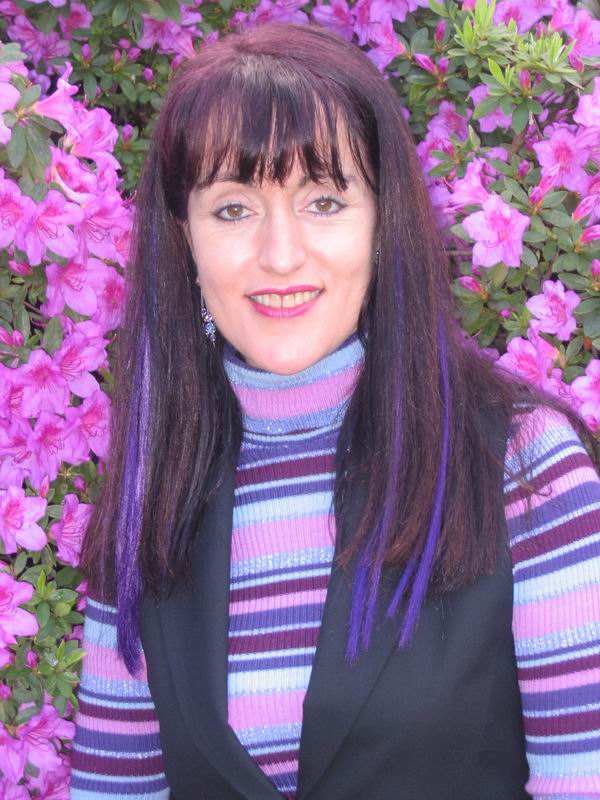
Cute hair, eh?

The air is precious to the red man, for all things share the same breath—the beast, the tree, the man, they all share the same breath. The white man does not seem to notice the air he breathes. Like a man dying for many days, he is numb to the stench. But if we sell you our land, you must remember that the air is precious to us, that the air shares its spirit with all the life it supports. The wind that gave our grandfather his first breath also receives his last sigh. And the wind must also give our children the spirit of life. And if we sell you our land, you must keep it apart and sacred, as a place where even the white man can go to taste the wind that is sweetened by the meadow’s flowers.

Dear Earthlings: 
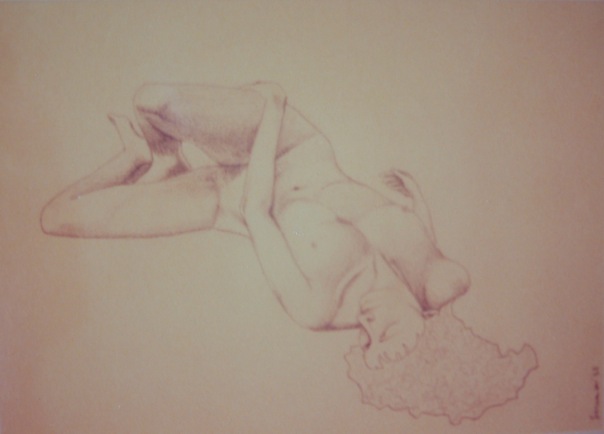
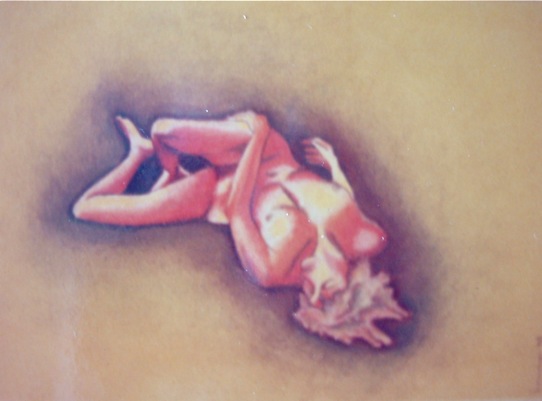
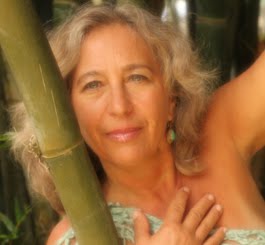
Annie & Beth: Ecosexual Embrace

Did you notice the wisdom of these words?  The Washington Chief assumes Chief Seattle thinks he owns the land.  Chief Seattle knows better.  And he is honest.  Nobody really owns any land.  The earth own itself.  It is sovereign.  Chief Seattle knows the meaning of words.  Air, breathing, wind, spirit, they are all connected.  When I inhale the air you’ve exhaled in your most recent breath, I become part of you, you become part of me, we become part of each other in the sacred union of breathing together.  Love is the ecology of life, and it begins with breath.  What love can we inhale when cities emanate toxic clouds into our breath?  Chief Seattle reflects the wisdom of one who embraces ecosexual love. 

Stay tuned for the next step.  We will post every Monday at noon.  
Did you enjoy the post?  Let us know!  Yours truly appreciates your attention.  The comments box is open.

Come back!  And stay tuned for more wonders.

Namaste,

Serena Anderlini-D’Onofrio, PhD

Gilf Gaia Extraordinaire
Author of Gaia and the New Politics of Love and many other books
Professor of Humanities

University of Puerto Rico, Mayaguez

Join Our Mailing List
 GaiaCoverFullSize  
Follow us in the social media
Poly Planet GAIA Blog: http://polyplanet.blogspot.com/ 
Author’s Page/Lists all books: http://www.amazon.com/-/e/B001JS1VKA 
YouTube Uploaded Videos: http://www.youtube.com/SerenaAnderlini
 

Find us on FacebookFollow us on TwitterView our profile on LinkedInView our videos on YouTubeVisit our blog

Join Our Mailing List
http://polyplanet.blogspot.com

2 of 12 | Monday is for Religion: The Art of Connecting What’s Not Really Separate

Hi again lovely Earthlings!
Have you been thinking about religion?  Religion has a bad name today.  It’s the excuse for wars.  But has it always been so?  The Civil Rights movement was inspired by religion.  And it was a social space where people of different races met, worked together, fell in love.  What other antidote is there to racism than the commingling of all shades so that difference does not matter?
More to the point, in the supposed land of religious freedom, those with belief systems that sacralized nature were not considered religious at all.  They were considered “heathens,” something in between a savage and an atheist.  Their belief system was against nature and had to be extirpated at the cost of eliminating its people as well.  So the genocide of Native American civilizations had to be almost successful before progressive monotheists became respectful of their belief systems, and sometimes fell in love with them.
Annie Sprinkle and Beth Stephens

But who was savage?  Who betrayed nature and got a license to kill her?  The earth remembers, Seattle says.  Animals, plants, rocks, are our family.  The lament resonates with Annie Sprinkle and Beth Stephens’s ecosexual weddings, designed to marry the natural elements and make them part of the fold. 

Listen to Chief Seattle as he predicts what will happen:

“The Land Is Sacred to Us”
Chief Seattle’s Lament, Cont’d 


Every part of this earth is sacred to my people. Every shining pine needle, every sandy shore, every mist in the dark woods, every clearing, and humming insect is holy in the memory and experience of my people. The sap which courses through the trees carries the memories of the red man.

Chief Seattle
The white man’s dead forget the country of their birth when they go to walk among the stars. Our dead never forget this beautiful earth, for it is the mother of the red man. We are part of the earth and it is part of us. The perfumed flowers are our sisters, the deer, the horse, the great eagle, these are our brothers. The rocky crests, the juices in the meadows, the body heat of the pony, and man—all belong to the same family.

So, when the Great Chief in Washington sends word that he wishes to buy our land, he asks much of us. The Great Chief sends word he will reserve us a place so that we can live comfortably to ourselves. He will be our father and we will be his children. So we will consider your offer to buy our land. But it will not be easy. For this land is sacred to us.
A young Seattle

The red man has always retreated before the advancing white man, as the mist of the mountain runs before the morning sun. But the ashes of our fathers are sacred. Their graves are holy ground, and so these hills, these trees, this portion of the earth is consecrated to us. We know that the white man does not understand our ways. One portion of land is the same to him as the next, for he is a stranger who comes in the night and takes from the land whatever he needs. The earth is not his brother, but his enemy, and when he has conquered it, he moves on. He leaves his fathers’ graves behind, and he does not care. He kidnaps the earth from his children. He does not care. His fathers’ graves and his children’s birthright are forgotten. He treats his mother, the earth, and his brother, the sky, as things to be bought, plundered, sold like sheep or bright beads. His appetite will devour the earth and leave behind only a desert.

Dear Earthlings: 
Did you notice the wisdom of these words?  The Washington Chief assumes Chief Seattle thinks he owns the land.  Chief Seattle knows better.  And he is honest.  Nobody really owns any land.  The earth own itself.  It is sovereign.  Chief Seattle knows his people are losing.  But what’s the point of winning when the price is our hostess?  Today’s winners are tomorrow’s losers in a zero sum game.  And today we know the deserts our devouring appetites cause to grow. 
Stay tuned for the next step.  We will post every Monday at noon.  
Did you enjoy the post?  Let us know!  Yours truly appreciates your attention.  The comments box is open.

Come back!  And stay tuned for more wonders.

Namaste,

Serena Anderlini-D’Onofrio, PhD
Gilf Gaia Extraordinaire
Author of Gaia and the New Politics of Love and many other books
Professor of Humanities

University of Puerto Rico, Mayaguez

Join Our Mailing List
 GaiaCoverFullSize  
Follow us in the social media
Poly Planet GAIA Blog: http://polyplanet.blogspot.com/ 
Author’s Page/Lists all books: http://www.amazon.com/-/e/B001JS1VKA 
YouTube Uploaded Videos: http://www.youtube.com/SerenaAnderlini
 

Find us on FacebookFollow us on TwitterView our profile on LinkedInView our videos on YouTubeVisit our blog

Join Our Mailing List
http://polyplanet.blogspot.com

A Letter about Myself – What Is Success and How Is it Measured?

Hi lovely Earthlings!

Last spring yours truly took a human potential course called Personal Passion Formula.  It’s a way to push oneself to play out of the box and redesign one’s life to suit new interests and inspirations.  

Students had to evaluate their current level of success and determine the values based on which success was measured for themselves.  

These are always somewhat sensitive moments and the value of these trainings is mainly introspective.  They force one to look within more closely. 


Here are the values that 
came up for me:


Family
Legacy
Wisdom

Interesting, no?

Then students had to combine these values in a narrative that explained them and connected them together.  

This is the narrative yours truly came up with:

Success in my life means that I always consider others part of my family.  The differences and distances only create more unity.  People are part of my family because they are part of the human and planetary family.  The legacy I want to leave to this family is one of foresight and every action I take in the present comes from the perspective of a peaceful, happy, and abundant future.  This sense of purpose makes me a beacon of wisdom that radiates with knowledge and patience, forbearance and open-mindedness, insightfulness and compassion to those seeking a life that is creative, out-of-the-box, and free.  

This new design excites me a lot.  And some of you might get excited with me as well.  I am putting this out there with the intention of accepting the gifts life has in store.   
I look forward to hearing from you. 
Thank you!
Namaste,
Serena
http://polyplanet.blogspot.com

1 of 12 | Monday is for Religion: The Art of Connecting What’s Not Really Separate

Hi lovely Earthlings!
Yours truly is back and she feels this sudden shift toward religion.  What is religion?  “Re-” for doing again something that was done before.  “Ligion” for linking together.   So it could be the art of connecting what was not separate but appears to be so.  
For one who was raised atheist religion is not exactly an easy conversation.  As a kid, I often felt the “god” we rejected was an entity of its own.  We simply had to brave the desire to “believe” there was any power in that.  Living a sling shot from the Vatican, we had no choice.  It was either “religion,” and that meant Roman Catholicism, or “atheism,” and that meant pushing Catholicism away.  
It was only as a student in California many years later that I realized people had different religions.  They were ok with the religion of their neighbors.  Did not try to convert them!  Then, I thought, these deities are all inventions!  They really don’t exist outside people’s imagination.  There’s nothing out there that will get mad at you if you’re not afraid.  Oh!  What relaxation!
Yes, but how powerful the human imagination can be is something I was just becoming aware of.  I was studying the play For Colored Girls Who Considered Suicide When the Rainbow Is Enough by African-American poet Ntozake Shange.  And it ended with all the “girls” echoing for each other the phrase “and i found god in myself and i loved her, i loved her fiercely.”
How empowering, I thought.  She’s using a masculine name for this deity, but the pronoun to refer to it is feminine.  She’s talking about women who learn to love themselves.  They love themselves “fiercely” because they’ve been told that it’s a bad idea to do so.  They’ve been taught that the sacred is masculine. The feminine is what the sacred is not.  The feminine is not lovable, it is “temptation”!
That’s when I realized that these deities created by the human imagination simply help different people have more courage.  We invent deities that resemble us, and then we claim that they made us in their own image!  We can love knowledge as much as we want.  We can pursue it.  When can believe that science, when in good faith, will help resolve problems.  But we will never understand everything and must mask this mystery, this fear, with some invention of the imagination.  Religion therefore is inevitable.
But given the choice of a number of belief systems to become affiliated with, why choose the ones that don’t help?  As a woman I would rather choose a belief system that includes me in the sacred.  A system where goddesses, or female deities, are important.  But is that enough?  Or is it just more of the same, namely, people invent deities who look like themselves.
There was a way to go beyond that.  It was questioning another assumption that came with the idea of “god” my family rejected.  It’s called monotheism.  Why is monotheism so bad?  Because it extracts the sacred from the material and places it in an abstract realm.  Then it affords people a “license to kill” nature as if it was pure matter.  Including their own nature as lovers of nature, lovers of love. 
We need to re-sacralize nature, I thought.  Yes, we need to practice the art of connecting again what appears to be separate–separate from us, separate from itself–and in reality is not.  That’s “religion.”  Literally!  Yes.  And it’s also Gaia, the planetary life that’s the ecology of love.
Love is the ecology of life, Gaia says.  And what is love if not connecting, communion, the ecstasy of being together? 
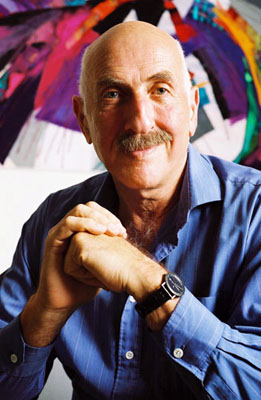
Chief Seattle

Chief Seattle’s Lament appeared on my Facebook thread today.  I will blog it in a series of posts on Religion: The Art of Connecting What’s Not Really Separate.

The lament is so ominous, so clairvoyant, so attuned to the moment, that it really needs to be metabolized in small increments.
Here goes the first section:

“The Land Is Sacred to Us”

Chief Seattle’s Lament

Chief Sealth of the Duwamish League, known to us as Chief Seattle, delivered this speech in 1854—One year before a great treaty-making council between Indian tribes and the U.S. government. The government proposed that reservations be established, and although several tribes opposed this, treaties were signed: each of the tribes was to select its favorite home valley as its reservation. Three months later, war broke out.

The great Chief in Washington sends word that he wishes to buy our land. The Great Chief also sends us words of friendship and goodwill. This is kind of him, since we know he has little need for our friendship in return. But we will consider your offer. For we know that if we do not sell, the white man may come with guns and take our land.

How can you buy or sell the sky, the warmth of the land? The idea is strange to us.

If we do not own the freshness of the air and the sparkle of the water, how can you buy them?

Dear Earthlings: 
Did you notice the wisdom of these words?  The Washington Chief assumes Chief Seattle thinks he owns the land.  Chief Seattle knows better.  And he is honest.  Nobody really owns any land.  The earth own itself.  It is sovereign.  And today we know, while seas raise and get warmer, and hurricanes get to the red people’s sacred island, Manhattan.
Stay tuned for the next step.  We will post every Monday at noon.  
Did you enjoy the post?  Let us know!  Yours truly appreciates your attention.  The comments box is open.

Come back!  And stay tuned for more wonders.

Namaste,

Serena Anderlini-D’Onofrio, PhD
Gilf Gaia Extraordinaire
Author of Gaia and the New Politics of Love and many other books
Professor of Humanities

University of Puerto Rico, Mayaguez

Join Our Mailing List
 GaiaCoverFullSize  
Follow us in the social media
Poly Planet GAIA Blog: http://polyplanet.blogspot.com/ 
Author’s Page/Lists all books: http://www.amazon.com/-/e/B001JS1VKA 
YouTube Uploaded Videos: http://www.youtube.com/SerenaAnderlini
 

Find us on FacebookFollow us on TwitterView our profile on LinkedInView our videos on YouTubeVisit our blog

Join Our Mailing List
http://polyplanet.blogspot.com

7 of 7 – Bisexual Epistemologies: A Journey form Nausea to Commitment

Bisexual Epistemologies: A Journey from Nausea to Commitment 

An occasional piece by
Serena Anderlini-D’Onofrio, PhD
For The Journal of Bisexuality’s 10th Anniversary Issue
Hi dear readers!
This seven-in-one piece will be great fun–yours truly promises.  Find out all the ins and outs of 10 years of Bisexuality!  What does “epistemology”mean?  Big word, right?  Well, all it means is that when you’re making love you’re producing knowledge.  A good thing!
We follow What Wisdom Accrued to Me? with the Conclusion.  If you followed us this far, we hope you found this seven-in-one piece really revealing of all those things about bi you’ve always been curious about.  Why is it so good?  What can it do for you?  For the planet?  For the future?  For authentic intimacy?  It’s all here, spiced with a bit of irony and critique of why we’re so behind on our agenda.  What’s keeping us from being more efficient.
Also arcane words you’ve been told have no meaning unless you got a PhD are explained–made very easy!  “Nausea,” “existentialism”: it’s all about the chakra system–really.  Commitment?  It’s not about going to jail (as in, “being committed”).  But rather, it’s about “being-in-action” about things.  Being the one who makes the difference!  No mysteries.  Woooooow!  Come back for more, will you?  We’ll post every week, on Tuesdays.
Namaste,

Serena

7. Conclusion
At the end of my journey, I would like to conclude with a few remarks about the itinerary.  I was not sure how I would respond to the call that so acknowledged me as one who had at least tried to do my part.  Now I have done it, and I can claim that the very act of doing it is proof of my commitment.  Yet it’s not so simple. 

In a decade of assault on civil liberties, cuts to education, disparagement of public service, augmented pollution, an expanded military machine, human rights violations, climate instability, and continuing fears of infection and accompanying fears of physical and emotional intimacy, it has not been exactly easy to keep running this Journal.  Its central trope–when considered in its holographic multiplicity, in its plural transdisciplinary perspectives–sears through the barriers of blindness and mistrust at the root of the misdirected energies and use of resources we’ve been witnessing.
Fritz Klein, of 100 {a9d64f7890d157e71e6efcce19e215a5f853c7f4151cde0b7bf7aada464173f6} intimacy
The editorial wisdom of rhetorician extraordinaire Jonathan Alexander has been of much help in maintaining the amplitude of the discursive arena while improving the quality of the issues.  Yet this is not sufficient.  Research is done on a scientific basis, and therefore is neutral–transparent if you wish.  However, research has an effect on people.  Why do I have to hear that bisexuality is so under-resourced?  Do we need the Human Rights Commission to remind us that funding is necessary when it comes to seeding the culture of research in bisexuality the Journal needs to prosper and serve its multiple constituencies–let alone the culture as a whole?  Ten years of bisexuality can mean ten years of research production and access to reliable knowledge about this trope that really empowers bisexual people to live better and more authentic lives.  It can produce an appreciation and reverence for bisexuality and for the multiple talents it inspires in the arts of loving.  It can empower its practitioners’ enhanced capability to produce what Fritz Klein called “100 Percent intimacy.”  Have we done this?  I wish I could say yes.  A new decade of bisexuality is beginning.  Let’s keep that vision in mind when we proceed.
Works Cited
Anapol, Deborah. “A Glimpse of Harmony.”  In Serena Anderlini-D’Onofrio ed.  Plural Loves: Designs for Bi and Poly Living: 109-120.  New York: Routledge, 2005.
______  .  Polyamory in the 21st Century.  New York: Rowman and Littlefield, 2010.
______  .  Polyamory: The New Love without Limits.  San Rafael: Intinet Resource Center, 1997.
Anderlini-D’Onofrio, Serena.  “A City in the Forest: Gaia in the Postmodern Contact Zones of
Auroville’s Wider Intentional Community un Tamil Nadu, India.”  In Fatima Viera ed, Spaces of Utopia: An Electronic Journal: 1 (Spring 2006): 56-89. <http://ler.letras.up.pt > ISSN 1646-4729.
______  .  “In Absentia: Eulogy and Introduction.”  The Journal of Bisexuality: 6: 4 (2006): 1-5.
______  .  “Bisexual Games and Emotional Sustainability in Ferzan Ozpetek’s Queer Films.”  The Journal of Bisexuality: 6: 4 (2006): 121-134.
______  .  Gaia and the New Politics of Love.  Berkeley: North Atlantic books, 2009.
______  .  “The Lie with the Ounce of Truth: Lillian Hellman’s Bisexual Fantasies.”  In Women and Bisexuality: A Global Perspective: 87-116).  New York: Routledge, 2003.
______  .  “Plural Happiness: Bi and Poly Triangulations in Balasko’s French Twist.” In Bisexuality and Queer Theory.  The Journal of Bisexuality 9: 3-4: (July-December 2010): 343-362.
______  .  Poly Planet GAIA.  http://polyplanet.blogspot.com
Anderlini-D’Onofrio, Serena ed.  Women and Bisexuality: A Global Perspective.  New York: Routledge, 2003.
______  ed.  Plural Loves: Designs for Bi and Poly Living.  New York: Routledge, 2005.
Alexander, Jonathan, and Serena Anderlini-D’Onofrio eds.  Bisexuality and Queer Theory: Intersections, Diversions, and Connections.  The Journal of Bisexuality: 9: 3-4 (July-Dicember 2009). 
Anderlini-D’Onofrio, Serena and Brian Zamboni eds.  BiTopia: Selected Proceedings from BiReCon, the 2010 Bisexual Research Conference.   The Journal of Bisexuality, in production.
Balasko, Josiane.  French Twist.  France: Claude Berri and Pierre Grunstein, 1995.
Bass, Alison.  Side Effects.  Chapel Hill: Algonquin Books, 2008.
Dean, Tim.  Unlimited Intimacy: Reflections on the Subculture of Barebacking.  University of Chicago Press, 2009.
Dodson, Betty.  “We Are All Quite Queer.”  In Serena Anderlini-D’Onofrio, ed.  Plural Loves: Designs for Bi and Poly Living: 155-164. New York: Routledge, 2005.
Edlow, Jonathan.  The Deadly Dinner Party.  New Haven: Yale University Press, 2011.
Fitzgerald, Randall.  The Hundred-Year Lie.  New York: Plume, 2007.
Freud, Sigmund.  “Lecture XXXIII: On Femininity.”  In The Standard Edition of the Complete Works of Sigmund Freud.  Strachey tr. .  Vol XXII: (112-135).  London: Hogarth Press, 1964.
Halperin, David.  One Hundred Years of Homosexuality.  New York: Routledge, 1989.
Human Rights in Puerto Rico.  http://derechoalderecho.org
Kinsey, Alfred.  Sexual Behavior in the Human Female.  Philadelphia: Saunders 1953.
______  .  Sexual Behavior in the Human Male.  Philadelphia: Saunders, 1948.
Klein, Fritz.  The Bisexual Option: Second Edition.  New York: Harrington Park Press, 1993.
LGBT Advisory Committee.  Bisexual Invisibility: Impacts and Recommendations.  San Francisco Human Rights Commission, 2011.
Marquez, Gabriel Garcia.  One Hundred Years of Solitude.  New York: Harper, 2006.
Nafisi, Azar.  Reading Lolita in Tehran.  New York: Random House 2008.
______  .  Things I’ve Been Silent About.  New York: Random House, 2010.
Ozpetek, Ferzan.  Hamam.  Rome: Checchi Gori, 1997.
______  .  The Ignorant Fairies (a.k.a. His Secret Life).  Rome: Medusa, 2001.
Reich, Wilhelm.  Character Analysis.  New York: Farrar, Strauss, and Giroux, 1980.
______  .  The Function of the Orgasm: Discovery of the Orgone.  New York: Farrar, Strauss, and Giroux, 1986.
Pallotta-Chiarolli, Maria.  “Outside Belonging.”  Serena Anderlini-D’Onofrio ed.  Women and Bisexuality: 53-86.  New York: Routledge, 2003.
Peterson, Melody.  Our Daily Meds.  New York: Picador, 2009.
Sartre, Jean Paul.  Nausea.  New York: New Directions, 2007.

#  #  #  #  #  #  #  #  #  #  #  #  #

Yours truly appreciates your attention.  Stay tuned for more wonders.

Namaste,

Serena Anderlini-D’Onofrio, PhD

Gilf Gaia Extraordinaire
Author of Gaia and the New Politics of Love and many other books
Professor of Humanities

University of Puerto Rico, Mayaguez

Join Our Mailing List
 GaiaCoverFullSize  
Follow us in the social media
Poly Planet GAIA Blog: http://polyplanet.blogspot.com/ 
Author’s Page/Lists all books: http://www.amazon.com/-/e/B001JS1VKA 
YouTube Uploaded Videos: http://www.youtube.com/SerenaAnderlini
 

Find us on FacebookFollow us on TwitterView our profile on LinkedInView our videos on YouTubeVisit our blog

Join Our Mailing List

http://polyplanet.blogspot.com

6 | Friday is for Poetry | Venerdi Poesia | Introduction 2 | “A Lake for the Heart | Il lago del cuore” | Luigi Anderlini

The Old and the New:  
Synergy and Medi(t)ation in Luigi Anderlini’s Works

by Serena Anderlini-D’Onofrio

an Introduction to A Lake for the Heart, poems by Luigi Anderlini 

Part Two

The collection is synergistic in ways that my father’s life also was.  He does not invent new metric systems, but borrows from other poems, by Montale, Leopardi, Foscolo, and others, all the way back to Dante.  Perhaps the poet just wants to show off as a virtuoso.  But there is more than vanity.  My father’s aesthetic choices are similar to his political ones.  When, in the mid-1960s, he decided to get out of the governmental majority and move back to the opposition, he chose to inhabit, not join, a political party and change it from within rather than found his own party. 
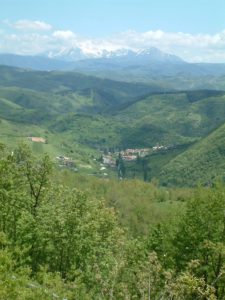

The Valley of Posta
My father, Luigi Silvestro Anderlini was born in Posta, a small town in the province of Rieti, on September 22, 1921.  He was a unique and rather accomplished person with relatively humble origins.  He was raised in a mountain village in the heart of the Apennines, where he was educated by his own father, the village schoolteacher, in a one-room school.  Then he was an autodidact and a home-schooled student up to the magistrali or high school, and eventually became a laureato in lettere, during the World War Two period.  He first served as a soldier, and, after the armistice, as a partisan.  At that time, soldiers who came from the front to take their exams would simply get a passing grade based on their patriotism.  Even though he had been at the front, my dad did not get passing grades, he got trenta e lode’s, and graduated summa cum laude and publication of his thesis.

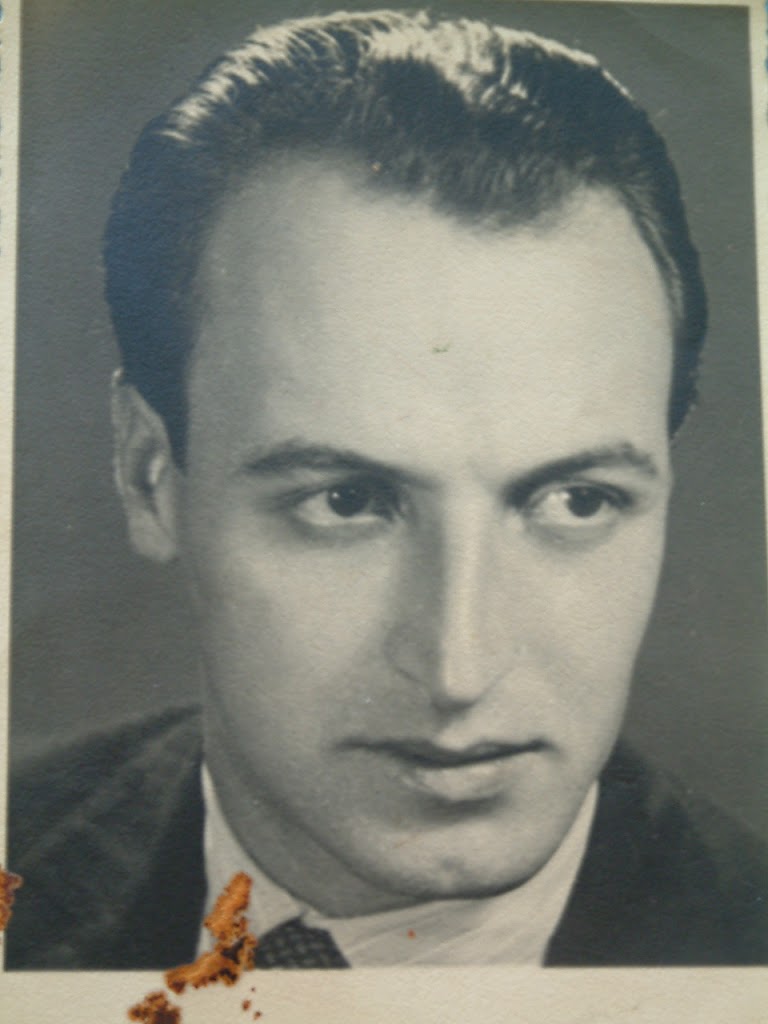
Luigi Anderlini at 21 or so
By his family, Luigi had certainly been designated as the child that would bring luster and fame to the family name, based on his diligence and desire to learn.  A story about his childhood explained how one day, while at the barber’s getting a hair cut, he heard the school bell ring and dashed out of the shop so as not to be late.  He entered the classroom with his hair half cut and half not, which made everyone laugh at him as a nerd, or secchione.
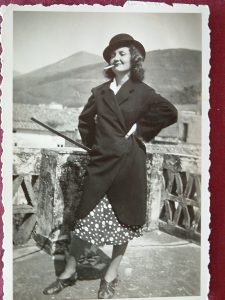
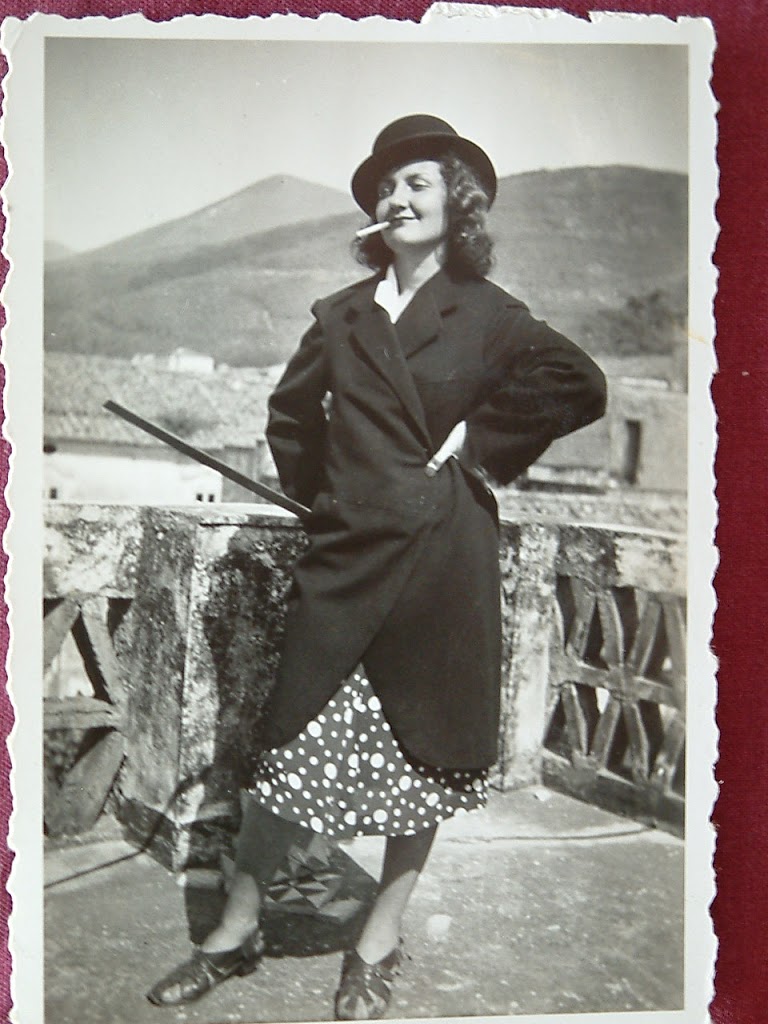
Lidia D’Onofrio at a costume party
In 1952 he married my mother Lidia D’Onofrio, and in 1954, I, their first child was born.  His first wife was also a laureata in lettere.  A polyglot and a Montessorian, she was his equal and intellectual interlocutor.  She had a metropolitan background and a formal education as well.  He started as a teacher and then became a congressman, in the Partito socialista, in 1958, the year my brother Luca was born.  My father stayed in politics for about thirty years, till 1987.  He was part of the first Center-Left coalition government with Pietro Nenni, in 1964, as an undersecretary.  After a short period in office, he choose to return to the opposition for he felt the malfunctioning of the system was too pervasive.  At about that time my mother Lidia’s health started to fail her, she eventually became ill and passed away in 1968.  It was a tragedy for our family for we had been raised in rather unconventional ways.  Our upbringing was based on gender equality, bilingualism, left-wing politics, Montessorianism, and complete openness about the body and sexuality, so much so that we all occasionally practiced nudism within our home.  At fourteen, after my mother’s death, I became a rebellious teenager and almost drove my father crazy with my sexual adventurousness.  To preserve my virginity he sent me to a convent, which put him at odds with his atheist persuasion.      

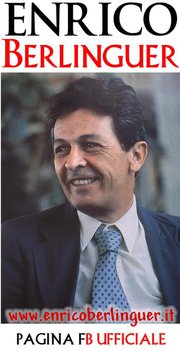
During this period, he left the Socialist Party and, with other “irregulars” in the Italian political scene, he co-founded the Sinistra indipendente, or Independent Left, a parliamentary group whose members were elected in the ticket of the Partito comunistaInstead of founding another party, or abandoning the idea of socialism altogether–as many intellectuals of the time did in response to Soviet imperialism–he chose to bring his energies to bear on the largest existing opposition force and change it from within.  In the harsh years of Italian terrorism and the economic recessions of the 1970’s, the Independent Left had the triple function of diversifying the Communist Party, enhancing its ideological independence from Moscow, and mediating its relationship with the government party, the Democrazia cristiana.  This led to the actualization of the compromesso storico, the historical compromise sought by the pluralistic leader of the PCI, Enrico Berlinguer.  In politics, as in his more literary works, my father chose a soft approach to form.  Synergy and mediation prevailed.  This time of balance ended when Prime Minister Aldo Moro was kidnapped, in 1978. 

As a congressman and senator, my father was a coauthor of the Legge perl’obiezione di coscienza, the Italian conscientious objection law, a nice law for a pacifist to leave his name to.  With military service being mandatory for men, the law instituted the alternative of civil service so that young men who practiced non-violence could be true to themselves and still serve their country in useful ways.  He was inspired by his own work with Archivio Disarmo, the Non-Governmental Organization he contributed to founding in 1982, and presided until his death–a volunteer activity that offered him the neutral position necessary to be influential on the scene of politics in a non-partisan way.  Another law he authored regulated the production of wines according to region, thus encouraging quality and accountability in agricultural production. 

In youth, my father had been very creative.  He could draw very well, he wrote poems, and he finished an unpublished novel in his early years as a teacher, before politics.  I believe he was wasted in politics, for he did not have the ruthlessness that it takes to get beyond a certain point, and he was too honest.  I also think his career in politics would have been more successful if my mother had not passed away at such a young age (about my age, as I write this, coincidentally), for she was his best interlocutor, one he never quite managed to replace, and so one part of his spirit and intelligence died with her.  Ironically, though, I also believe his success in politics contributed to her demise, because success can be intoxicating and she probably felt left behind, betrayed–not able to shine of her own light as well.  As for myself, I oscillate between gratefulness for the comfortable lifestyle afforded by his congressman’s pay, and resentment for the sacrifices demanded by his political career.  He was opposed to all collusions and realized too late that this could drive his loved ones away.  Neither of us children has followed in his footsteps, but when I see who is in politics today–and follows in their father’s footsteps–I think one of us should have taken that challenge on!  Perhaps I should say that politics was wasted on him, as he valued his ideological freedom above everything else. 

My father’s literary production relates to his retirement years, including two collections of poems before this one, and his memoir, Caro Luca (Dear Luca, my brother’s name), published 1994, which won the Premio Castiglioncello.  He asked for my suggestions on the manuscript, which I gave him.  It was a moving book for me, for I could sense how he felt abandoned by my mother, betrayed that she would not stay in life and continue at his side, afraid he’d not be able to replace her.  This book was healing for our family for it offered his truth about the story of our family for all of us to relate to and reflect.    

I became friends with my father at about that time, when I told him I now loved women, as well as men.  Interestingly enough, the news made him my friend as I had not known him since childhood, when he was always eager, always enthusiastic, always ready to play and tell stories, with his enchanting explanations like the storia di una goccia d’acqua (story of a drop of water), which told how a drop of water travels from the ocean, to the sky, to a mountain top, to a river, and back where it came from.  Perhaps it was my transgression that fascinated him, having traveled to the other side of the fence, having tasted the forbidden fruit.  Women loving women.  He might have seen a projection of things he would have liked to try for himself.

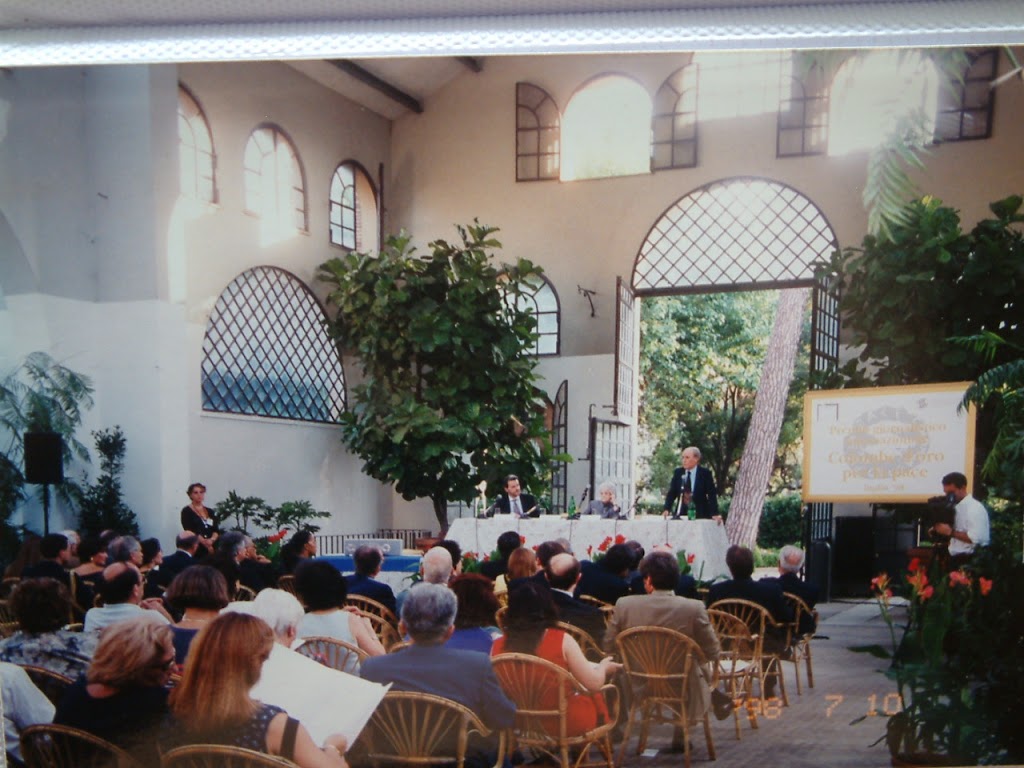
He gave his last speech for Archivio Disarmo in November 2000, between hospital stays, just four months before his death.  The organization to which he devoted his later years gets its name from the dream that the lessons from the incident at the Bay of Pigs would stick.  In a world aware of the potential for Mutually Assured Destruction, or M.A.D., as it was called in the time of JFK, political leaders would realize the insanity of any arms race.  The gradual disappearance of self-destructive atomic arsenals was the only way to create a sustainable future.  Hence the idea of creating an archive that would document this progress.
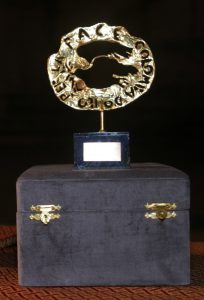
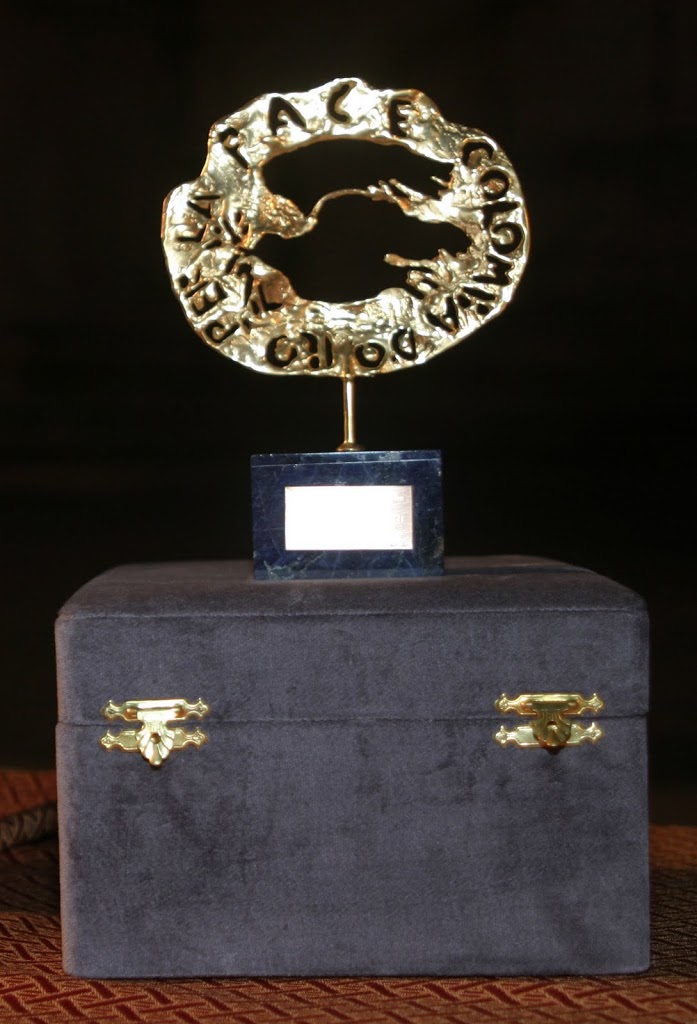
Colomba d’oro per la pace
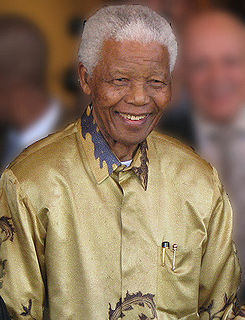
Nelson Mandela

In 1984, Archivio Disarmo instituted an annual prize, the Premio Colombe d’Oro per la Pace (Prize Golden Doves for Peace), to be awarded to journalists who are especially brave at documenting was miseries and peace efforts, and to an important figure that has distinguished him or herself in leadership for peace.  Notable recipients have been Greenpeace, Luisa Morgantini for Women in Black, Michail Gorbachev, Nelson Mandela (when he was still in prison and there was apartheid in South Africa), and Jessie Jackson (the year he saved world peace during the operations in Bosnia).  Archivio Disarmo works on forming civilian and military units for the multilateral peace operations that bring a modicum of stability to the world’s most conflicted areas.  It also monitors the production and distribution of small and large weapons, and participates in direct interventions in areas devastated by conflicts.  The organization has recently instituted a peace scholarship named after Luigi Anderlini, and an association of donors is being formed.  Information is available by contacting me at serena.anderlini@gmail.com or Archivio Disarmo at info@archiviodisarmo.it.   

#  #  #  #  #  #  #  #  #  #  #  #  #  #  #

Il Vecchio e il Nuovo:

Sinergia e Medi(t)azione nelle opere di Luigi Anderlini
di Serena Anderlini con traduzione italiana di Joanna Capra
Parte II

La collezione è sinergistica nei modi in cui lo era anche la vita di mio padre.  Egli non inventa nuovi sistemi metrici, ma li prende a prestito da altre poesie, di Montale, Leopardi, Foscolo, e altri, all’indietro fino a Dante.  Forse il poeta vuole solo mettere in mostra il suo virtuosismo. Ma c’è qualcosa di più della vanità.  Le scelte estetiche di mio padre sono simili alle sue scelte politiche.  Quando, verso la metà degli anni 1960, decise di staccarsi dalla maggioranza di governo e di ritornare nelle file dell’opposizione, scelse di far parte di un partito politico senza aderirvi completamente, e di cambiarlo dal di dentro, piuttosto che fondare un suo proprio partito.

Mio padre, Luigi Silvestro Anderlini era nato a Posta, in provincia di Rieti, il 22 Settembre 1921.  Era una persona singolare e capace, sia pure di natali relativamente umili.  Crebbe in un paesino di montagna nel cuore degli Appennini, dove venne istruito da suo padre, il maestro del villaggio, in una scuola che consisteva di un’unica stanza.  Continuò poi a studiare da autodidatta in casa fino alle magistrali e infine si laureò in lettere durante il periodo della Seconda Guerra Mondiale.  Dapprima servì nell’esercito e, dopo l’armistizio, come partigiano.  In quel periodo, i soldati che venivano dal fronte per fare gli esami, ottenevano una semplice promozione in virtù del loro patriottismo.  Pur venendo dal fronte, mio papà non otteneva semplici promozioni, prendeva invece trenta e lode e si laureò summa cum laude e la pubblicazione della tesi.
Luigi era certamente stato designato dai genitori ad arrecare lustro e fama al nome della famiglia, grazie alla sua diligenza e al suo desiderio di studiare.  Una storia relativa alla sua infanzia spiega come un giorno, mentre si trovava dal barbiere per tagliarsi i capelli, udisse la campana della scuola e schizzasse fuori per non arrivare in ritardo.  Entrò in classe coi capelli metà tagliati e metà no, cosa  per cui  tutti lo derisero, dandogli del secchione.
Nel 1952 sposò mia madre, Lidia d’Onofrio.  Nel 1954, nacqui io, la prima dei loro figli. Anche la sua prima moglie era laureata in lettere.  Poliglotta e montessoriana, era una sua pari e una valida interlocutrice intellettuale.  Mia madre proveniva da un ambiente di cultura cittadino ed aveva avuto un’eccellente educazione.  Quanto a lui, era partito come insegnante per poi essere eletto deputato per il Partito Socialista nel 1958, l’anno in cui nacque mio fratello Luca.  Mio padre rimase in politica per circa trent’anni, fino al 1987.  Fece parte del primo governo di coalizione di centro-sinistra con Pietro Nenni, nel 1964, come sottosegretario.  Dopo un breve periodo al governo, scelse di ritornare all’opposizione, perché riteneva che il mal funzionamento del sistema fosse troppo pervasivo.  Pressappoco in quel periodo la salute di mia madre Lidia cominciò a peggiorare, e a breve si ammalò per poi spegnersi nel 1968.  Per la nostra famiglia fu una tragedia, perché eravamo cresciuti in modi assai poco convenzionali.  La nostra educazione era basata sulla parità fra maschi e femmine, sul bilinguismo, la politica di sinistra, la scuola montessoriana e una totale mancanza di pregiudizi nei confronti di corpo e della sessualità, tanto che entro le mura domestiche tutti praticavamo occasionalmente il nudismo.  All’età di quattordici anni, dopo la morte di mia madre, divenni una ragazza ribelle e feci quasi impazzire mio padre con le mie avventure sessuali.  Per preservare la mia verginità, mi mandò in un convento, il che lo mise in contrasto con le sue convinzioni di ateismo. 
Durante questo periodo, lasciò il Partito Socialista e, insieme ad altri “irregolari” sulla scena politica italiana, fu il co-fondatore della Sinistra Indipendente, un gruppo parlamentare i cui membri venivano eletti nella lista del Partito Comunista.  Invece di fondare un altro partito, o abbandonare proprio l’idea del socialismo – come fecero molti intellettuali del tempo per via dell’imperialismo sovietico – scelse di utilizzare le sue energie per sostenere la più grande forza di opposizione esistente.  Durante i duri anni del terrorismo italiano e la recessione economica degli anni Settanta, la Sinistra Indipendente ebbe la triplice funzione di diversificare il Partito Comunista, di sottolinearne l’indipendenza ideologica da Mosca, e di mediare i suoi rapporti con il partito di governo, la Democrazia Cristiana.  Ciò portò all’attuazione del compromesso storico, voluto dal leader pluralistico del PCI, Enrico Berlinguer.  In politica, come nei suoi lavori letterari, mio padre scelse un approccio morbido alla forma.  Prevalsero la sinergia e la mediazione.  Questo equilibrio ebbe fine quando il Primo Ministro Aldo Moro venne rapito nel 1978.
In qualità di deputato e senatore, mio padre fu un coutore della Legge per l’obiezione di coscienza, una buona legge cui associare il proprio nome per un pacifista.  Dato che il servizio militare per gli uomini era obbligatorio, la legge concedeva l’alternativa del servizio civile, in modo che i giovani che praticavano la non violenza potessero rimanere fedeli a sé stessi e pur servendo utilmente il proprio paese.  Mio padre trasse ispirazione dal suo stesso lavoro con l’Archivio Disarmo, l’Organizzazione Non Governativa che contribuì a fondare nel 1982 e che continuò a presiedere fino alla sua morte.  Questa attività di volontariato gli offriva una posizione neutrale, necessaria per essere influente sulla scena politica in un modo non di parte.  Un’altra legge di cui fu autore regolamentava la produzione di vini a Denominazione di Origine Controllata, il che incoraggiava la qualità e l’attendibilità della produzione agricola.
Quando mio padre era ragazzo era molto creativo.  Disegnava molto bene, scriveva delle poesie e portò a termine un romanzo non pubblicato nei primi anni di insegnamento, prima di entrare in politica.  Ritengo che fosse sprecato in politica, perché non aveva la crudeltà necessaria per andare oltre certi limiti, e poi era troppo onesto.  Penso anche che la sua carriera politica avrebbe conosciuto un maggior successo se mia madre non fosse morta così giovane (per puro caso, circa alla mia età,  mentre scrivo questo testo), perché lei era il suo miglior interlocutore, una persona che lui non è mai riuscito a rimpiazzare e così una parte del suo spirito e della sua intelligenza sono morti con lei.  Tuttavia io credo anche che, per ironia della sorte, i successi di lui in politica contribuirono alla fine di lei, perché il successo può essere inebriante e lei, probabilmente, si era sentita lasciata indietro, tradita, incapace di brillare anche di propria luce.  Per quanto mi riguarda, oscillo tra la gratitudine per lo stile di vita confortevole reso possibile dal suo stipendio di deputato, e il risentimento per i sacrifici richiesti dalla sua carriera politica.  Era contrario a tutte le forme di collusione e si rese conto troppo tardi che ciò poteva allontanare da sé coloro che amava.  Nessuno di noi figli ha seguito le sue orme, ma quando vedo chi c’è oggi in politica – e chi segue le orme del padre – penso che qualcuno di noi avrebbe dovuto raccogliere la sfida!  Dovrei forse dire che era la politica ad essere sprecata su di lui, dato che dava valore alla sua libertà ideologica al di sopra di ogni altra cosa.
La produzione letteraria di mio padre risale agli anni del suo pensionamento, e comprende due collezioni di poesie prima di questa, e le sue memorie: Caro Luca (Luca, mio fratello).  Il libro venne pubblicato nel 1994 e vinse il Premio Castiglioncello.  Mi chiese dei suggerimenti sul manoscritto, cosa che feci.  Fu per me un libro commovente, perché potevo capire quanto si fosse sentito abbandonato da mia madre, tradito dal suo non rimanere in vita e continuare a stare al suo fianco, e con il timore di non essere in grado di sostituirla.  Questo libro è stato un balsamo per la nostra famiglia, poiché nostro padre ci offriva la sua verità circa la nostra storia  perché noi tutti la prendessimo in considerazione e vi riflettessimo.
Divenni amica di mio padre pressappoco a quel tempo, quando gli dissi che amavo le donne, oltre agli uomini.  É interessante notare che la notizia ne fece un mio amico come lo ricordavo dall’infanzia, quando era sempre disponibile, sempre entusiasta, sempre pronto a giocare e raccontare storie, con le sue incantevoli spiegazioni, come quella della storia della goccia d’acqua che viaggia dall’oceano al cielo, alla cima delle montagne, a un fiume e torna dove era partita.  Forse era la mia trasgressione che lo affascinava, essere andata dall’altra parte della siepe ed aver gustato il frutto proibito.  Donne che amano donne.  Potrebbe aver visto una proiezione di ciò che avrebbe voluto provare per sé stesso.
Tenne il suo ultimo discorso per l’Archivio Disarmo nel novembre 2000, in un intervallo fra due ricoveri ospedalieri, solo quattro mesi prima della morte.  L’organizzazione cui si era dedicato nei suoi ultimi anni trae il suo nome dal sogno che le lezioni dell’incidente della Baia dei Porci avrebbero lasciato il segno.  In un mondo consapevole del potenziale per la Mutually Assured Destruction – o M.A.D., come veniva chiamata ai tempi di JFK – i leader politici dovrebbero rendersi conto che ogni corsa agli armamenti è una follia.  La graduale scomparsa degli arsenali atomici auto-distruttivi era il solo modo per creare un futuro sostenibile, donde l’idea di creare un archivio che documentasse questo progresso.
Nel 1984, l’Archivio Disarmo istituì un premio annuale, Premio Colombe d’Oro per la Pace, da assegnare a giornalisti particolarmente coraggiosi nel documentare le tristezze della guerra e gli sforzi di pace, e ad importanti figure di uomini o donne che si siano distinti in missioni di pace.  Personaggi ed entità importanti che hanno ricevuto il Premio Colombe d’Oro sono stati Greenpeace, Luisa Mongantini per Donne in Nero, Michail Gorbachev, Nelson Mandela (quando era ancora in prigione e nel Sud Africa vigeva l’Apartheid), e Jessie Jackson (l’anno in cui salvò la pace nel mondo durante le operazioni in Bosnia).  Archivio Disarmo lavora per formare delle unità civili e militari da impiegare nelle operazioni multilaterali di pace che portino un po’ di stabilità nelle aree del mondo più cariche di conflitti.  Inoltre fa monitoraggio della produzione e distribuzione di armi, piccole e grandi, e partecipa a interventi diretti in aree devastate dalla guerra.  L’Organizzazione ha istituito di recente una borsa di studio per la pace intitolata a Luigi Anderlini, e si sta formando un’associazione di donatori. 
Le informazioni si possono ottenere mettendosi in contatto con me a serena.anderlini@gmail.com, oppure con Archivio Disarmo al info@archiviodisarmo.it.
#  #  #  #  #  #  #  #  #  #  #  #  #  #  #  #  #  #  #  #  # 

Did you enjoy the Introduction?  Let us know!  Yours truly appreciates your attention.  The comments box is open.

Posts will appear every Friday at 11:00 AM.  Come back!  And get your copy of A Lake for the Heart right away!

Stay tuned for more wonders.

Namaste,

Serena Anderlini-D’Onofrio, PhD

Gilf Gaia Extraordinaire
Author of Gaia and the New Politics of Love and many other books
Professor of Humanities

University of Puerto Rico, Mayaguez

Join Our Mailing List
 GaiaCoverFullSize  
Follow us in the social media
Poly Planet GAIA Blog: http://polyplanet.blogspot.com/ 
Author’s Page/Lists all books: http://www.amazon.com/-/e/B001JS1VKA 
YouTube Uploaded Videos: http://www.youtube.com/SerenaAnderlini
 

Find us on FacebookFollow us on TwitterView our profile on LinkedInView our videos on YouTubeVisit our blog

Join Our Mailing List

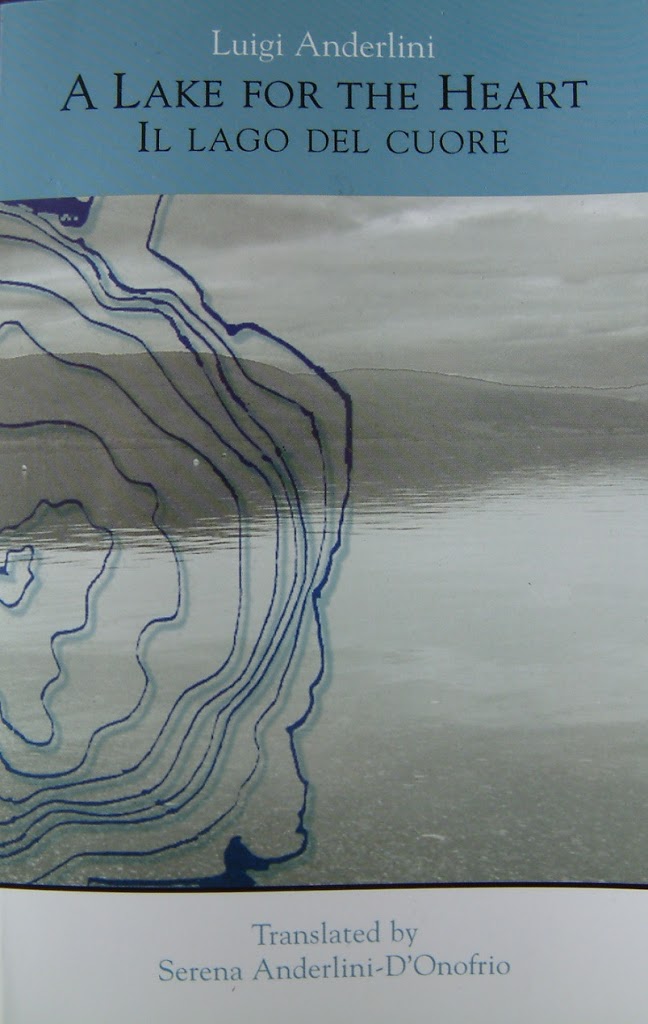
A Lake for the Heart

http://polyplanet.blogspot.com
6 of 7 – Bisexual Epistemologies: A Journey from Nausea to Commitment

Bisexual Epistemologies: A Journey from Nausea to Commitment 
An occasional piece by
Serena Anderlini-D’Onofrio, PhD
For The Journal of Bisexuality’s 10th Anniversary Issue
Hi dear readers!
This seven-in-one piece will be great fun–yours truly promises.  Find out all the ins and outs of 10 years of Bisexuality!  What does “epistemology”mean?  Big word, right?  Well, all it means is that when you’re making love you’re producing knowledge.  A good thing!
We follow The Issues with What Wisdom Accrued to Me? and will have one more post.  Really revealing of all those things about bi you’ve always been curious about.  Why is it so good?  What can it do for you?  For the planet?  For the future?  For authentic intimacy?  It’s all here, spiced with a bit of irony and critique of why we’re so behind on our agenda.  What’s keeping us from being more efficient.
Also arcane words you’ve been told have no meaning unless you got a PhD are explained–made very easy!  “Nausea,” “existentialism”: it’s all about the chakra system–really.  Commitment?  It’s not about going to jail (as in, “being committed”).  But rather, it’s about “being-in-action” about things.  Being the one who makes the difference!  No mysteries.  Woooooow!  Come back for more, will you?  We’ll post every week, on Tuesdays.
Namaste,

Serena

6. What Wisdom Accrued to Me?
As a guest editor with a transcultural, interlinguistic, and transdisciplinary perspective, I have endeavored to unfold the discourse of bisexuality to include voices that introduced ideas capable of expanding one’s thinking about this multifaceted trope well beyond what’s commonly understood.  I have enjoyed the privilege of having enough space to publish articles that really make a difference, that present arguments complex enough and articulate enough and profound enough to be likely to have a role in the paradigmatic shift the third planet is going though with all of us in it, toward knowledge based on love. 
This blank page, this slate without definition has been empowering to me, both as an editor and as a contributor.  There have been no word limits to the length of a piece–just its own organic completion.  No indirect censorship based on assumptions of what is and is not appropriate or correct in a given discursive arena.  Pure invention guided by insight and intuition with wide ranging knowledge and reading.  As an author whose literary initiation took place in Europe, I have a bit of an auteur syndrome.  I like to be free.  No Hayes Codes applied to my creativity.  My inspiration has been honored here.  And I have really felt like this is my cup of tea. 
My contributions have been hosted with the highest respect for their originality and uniqueness.  I tend to respect New Criticism because its practice of direct reading empowers students of literature to respond with their own emotional intelligence, rather than with surrogate constructs preapproved by their teachers.  However, I believe that everything is political, including, of course–and perhaps most of all–literature, and other visual arts that have been the object of my analysis on these pages, including cinema.  By “political” I mean embedded in a web of cultural and discursive practices related to geography, history, the sex/gender system, the race/class system, and other politically charged dynamics.  However, I tend to write about texts that inspire me.  As a scholar activist, I would not waste my time on something I don’t have the highest respect for.  Therefore, I write against the grain of being “critical,” of attacking a piece.  Sometimes people think I’m stupid, because I don’t dissect something I critique.  The things is, I am a peace activist even when I practice literary criticism, therefore dissecting is not my cup of tea.  I’d call my method of literary and cultural criticism “holistic.”  Why?  Because it integrates all the different approaches into a whole.  My piece on Lillian Hellman in the Women and Bisexuality issue is perhaps the most exemplar of this (87-116).  It is extremely political, as it dissects the lie of calling this inspiring author a liar, just because her political allegiances were against the grain of McCarthyism and the bipolar politics of the Cold War period.  Yet it also goes very deeply into the textual analysis of two texts by this author, to access the bisexual aspect of the author’s erotic fantasies that inspired them.  Obviously, this requires discussion of texts, contexts, biography, history, social, gender, and racial dynamics as an integrated whole.  When this piece found hospitality in these pages, it had been rejected a number of times for doing its job too well.  “Why does the author focus so much on the texts?” peer-reviewers wondered in cultural studies journals not aware of bisexuality’s existence.  “Doesn’t she know we want what’s ‘political’?”  In those discursive arenas, it was believed that close reading and cultural criticism could not get along.  The Journal of Bisexuality knew better than this.  This is the time to acknowledge its respect for my skills.
The Journal also hosted two articles on film.  There too, my attention was devoted to auteur films in the European tradition that paid special attention to bisexuality as an element of sustainability in relational patterns that involved several participants.  These include Hamam and The Ignorant Fairies (a.k.a. His Secret Life), by Ferzan Ozpetek, and French Twist, by Josiane Balasko.  It is often said that only negative representations of bisexuality are visible in film.  This might apply to Hollywood film production.  However, in the films I chose bisexuality is a factor for inclusion in amorous communities and expansion of the ways in which love can be practiced therein.  These articles appeared in 2005 issue (now the book Plural Loves) and 2010 (Bisexuality and Queer Theory).  I am grateful that they could be included in integrity with their holistic intent.


#  #  #  #  #  #  #  #  #  #  #  #  #

Yours truly appreciates your attention.  Stay tuned for more wonders.

Namaste,

Serena Anderlini-D’Onofrio, PhD

Gilf Gaia Extraordinaire
Author of Gaia and the New Politics of Love and many other books
Professor of Humanities

University of Puerto Rico, Mayaguez

Join Our Mailing List
 GaiaCoverFullSize  
Follow us in the social media
Poly Planet GAIA Blog: http://polyplanet.blogspot.com/ 
Author’s Page/Lists all books: http://www.amazon.com/-/e/B001JS1VKA 
YouTube Uploaded Videos: http://www.youtube.com/SerenaAnderlini
 

Find us on FacebookFollow us on TwitterView our profile on LinkedInView our videos on YouTubeVisit our blog

Join Our Mailing List

http://polyplanet.blogspot.com

5 | Friday is for Poetry | Venerdi Poesia | Introduction 1 | “A Lake for the Heart | Il lago del cuore” | Luigi Anderlini

The Old and the New:  
Synergy and Medi(t)ation in Luigi Anderlini’s Works

by Serena Anderlini-D’Onofrio

an Introduction to A Lake for the Heart, poems by Luigi Anderlini 

A Lake for the Heart 
The poems in the collection Il lago del cuore make a narrative, a story.  Lago del cuore translates figuratively as the vastness, the emptiness of the heart, and as a call to a beloved, cherished lake.  The story is about a man who is getting old, and knows he has had a life of plenitude, struggle, idealism, and compromise; a life that has fulfilled his wildest expectations and more, yet has exacted prices, and generated disappointments, disaffections, and lacerations.  This poet goes through his memories, fantasies, dreams, and obsessions, to finally prepare for death.  The last poem is about a woman, “lei,” (la morte) who comes and takes him to the “stair made of fog” (la scala di nebbia) that leads one “far, to eternal nothingness” (lontano, nel nulla eterno).  He follows her, docile, an atheist’s anticipation of a soft, sweet passage to death.  Even though in life my father had wanted to publish these pomes, it is no accident, in a way, that this edition is “posthumous.”  But then the interesting part is that in the process of preparing this translation, numerous intriguing memories have been surging.  These memories reveal a person that perhaps as a daughter I failed to see, a person who was a lot more similar to me spiritually and philosophically than the father I knew, somewhat imprisoned in his parental role.
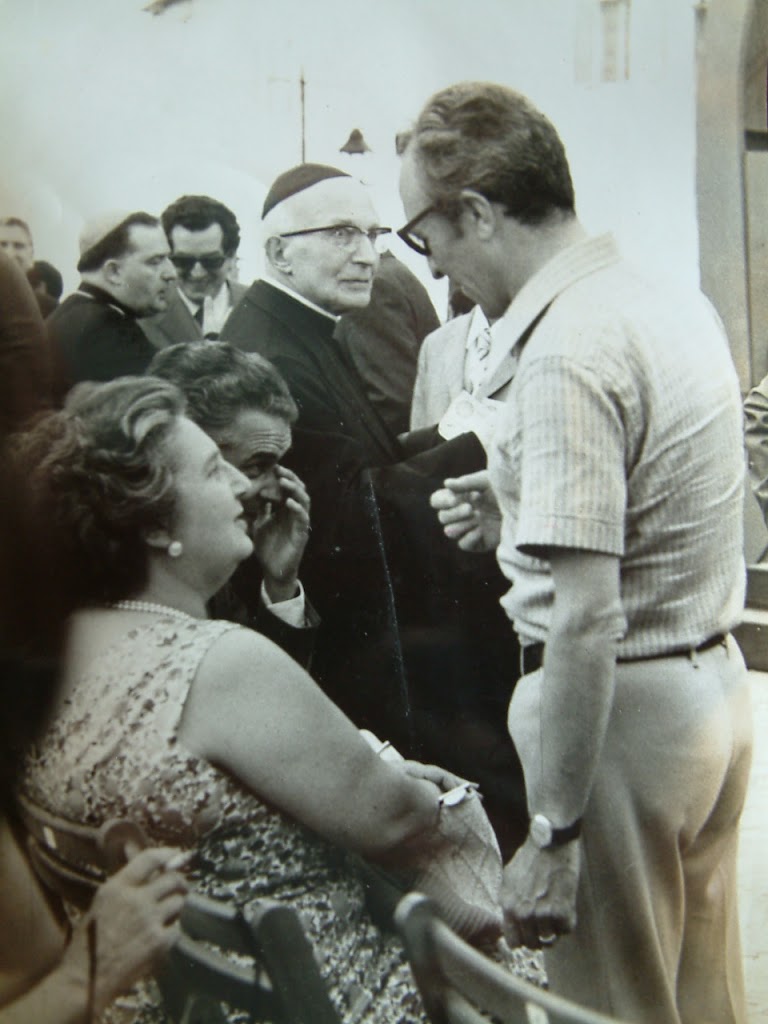
Luigi Anderlini, public figure
Two poems in the collection struck me as especially significant in this respect, for they made me see my father as a virtually polyamorous person whose deep spirituality verged on the pantheistic.  Or perhaps this is my projection, for I have strong affinities with neo-pagan and polyamorist communities.  Yet it’s not just that.  For I am his daughter, and, while I lived an ocean and a continent away from him, the effort to interrogate the open questions of his life was an important force in leading me towards these movements.  A teacher who entered the political arena as a socialist in his thirties, in his later life my father became a pacifist, and devoted his energies to peace causes well above the melée of partisan politics.  But the open questions of his life were not resolved, including his choice of being an atheist regardless of his very deep spirituality, and his non-monogamous behavior, which he would not recognize as a deliberate choice, but rather experienced as a mistake.  Related to these, was his ambivalent relationship to modernity and industrialization, which for his generation held the promise of curing poverty and pain.  
Two poems in the collection inspire me to write of my dad in this way.  The first is “Il lago” (“The Lake”), which is about the Lago di Bracciano, a volcanic lake in the vicinity of Rome, where he used to sail in his little boat, and which has long been used as a reservoir for the city’s water supply and is therefore free of motorboats.  My dad used to have a little week-end house near this lake, and that’s where he was alone with himself and wrote his books and poems.  The poet speaks to the lake, and in calling him tu, attributes a persona to this body of water, who was once a volcano and has now reincarnated in his current form.  The second poem is “Donne” (Women), in which all the women who were his lovers at some point in his life, either long-term or just briefly, appear to him in a dream.  These lovers appear to him as they were when he knew them, and the poet evokes his moments and stories with each of them.  The poem ends with the dream of these lovers surrounding the poet together near his bed.  “And now,” he says, “siete tutte qui . . . belle e impalpabili” (all of you are here . . .  beautiful and impalpable, 32).  This image of shared love and serenity dissipates the conventional rivalries of enforced monogamy and defeats traditional gender wars. 
Luigi Anderlini, peace activist
Listening for Luigi Anderlini, peace activist
These poems, and many others in the collection as well, speak to me of a virtually polyamorous person with pantheistic inclinations.  His spirituality goes much beyond his proclaimed atheism; it sees the magic in nature; it recognizes the environment as a being with a life of its own; and it imagines the live creature of a lake as a volcano whose metamorphosis has generated the body of water that now lives in its crater.  In the poet’s vision, the Earth is a live being, which disavows modernity’s belief in pure rationality and matter.  This realm, this vision of the imagination, also makes room for a different kind of love, one in which love only begets more love.  In life my father often insisted on the inevitability of modernity and its benefits.  I remember teasing him that for him atheism was just another religion, as I was searching for an alternative to monotheism and a more pantheistic vision of the sacred.  Yet his poems reveal his vision of life as a continuum.  The poet is aware of his own mortality, announces it, and even describes his death.  Throughout the collection, the metaphor he uses for life is prato, a grass lawn, a meadow people cross and meander in for a while, alone and together.  His personal life was punctuated with passionate and multi-faceted relationships that contributed to making it vital and interesting.  In Donne, as in a poly world, the poet wishes to have all his lovers with him at the same time, and loves them all in his memory.  In life, my father did not quite manage to have things that way, yet the poet’s wish is that the women he loves choose to love each other in his death.  In this dream of intimate peace, love expands from a monogamous to a more inclusive dimension, as in a neo-pagan tale.

To be continued . . . .

#  #  #  #  #  #  #  #  #  #  #  #  #  #  #

Il Vecchio e il Nuovo:
Sinergia e Medi(t)azione nelle opere di Luigi Anderlini
di Serena Anderlini con traduzione italiana di Joanna Capra
Le poesie che fanno parte della collezione Il lago del cuore formano una narrazione, una storia.  Il Lago del cuore sta a significare la vastità, il vuoto del cuore, ed è un richiamo a un lago adorato e prediletto.  La storia è quella di un uomo che sta invecchiando, e sa di aver vissuto una vita di pienezza, di lotta, di idealismo e di compromesso; una vita che ha esaudito le sue aspettative più inverosimili ed oltre, ma ha imposto dei prezzi generando delusioni, ostilità e lacerazioni.  Il poeta riesamina le sue memorie, fantasie, sogni e ossessioni, per prepararsi infine alla morte.  L’ultima poesia riguarda una donna, “lei” (la morte) che viene e lo porta alla “scala di nebbia” che conduce lontano, al nulla eterno.  Lui la segue docile, un ateo che si prefigura un passaggio alla morte dolce e morbido.  E benché mio padre in vita avesse voluto pubblicare queste poesie, in un certo senso non è un caso che questa edizione sia “postuma”.  Ma la cosa interessante è che nel corso della preparazione di questa traduzione, si sono risvegliati in me dei ricordi intriganti.  Ricordi che mettono in luce una persona che forse, in quanto figlia, non ho saputo vedere, una persona che era molto più simile a me spiritualmente e filosoficamente che non il padre che ho conosciuto, in qualche modo imprigionato nel suo ruolo di genitore.
Due poesie che fanno parte della collezione mi hanno colpito come particolarmente significative a questo proposito, poiché mi hanno fatto vedere mio padre come una persona virtualmente poli-amorosa la cui profonda spiritualità aveva del panteistico.  O forse questa è una mia proiezione, poiche io ho molte affinita con le comunita neo-pagane e poliamoriste.   Eppure non è proprio così.  Perché sono sua figlia, e, quando vivevo un oceano e un continente lontano lui, lo sforzo di interrogare le questioni aperte della sua vita fu una spinta importante nel portarmi verso questi movimenti.  Un insegnante entrato trentenne nell’arena politica come socialista, nella maturità avanzata diventò un pacifista e dedicò le sue energie alle cause della pace, ben al di sopra delle mischie di parte della politica.  Ma alcune questioni della sua vita erano rimaste irrisolte, compresa la sua scelta di essere un ateo malgrado la sua profonda spiritualità e il suo comportamento non monogamo, che egli non fu capace di riconoscere come una scelta deliberata, piuttosto che come una semplice confusione o errore.  A ciò si aggiungeva il suo rapporto ambivalente con la modernità e l’industrializzazione, che per la gente della sua generazione riservava la promessa di porre rimedio alla povertà e alla sofferenza.
Due poesie che fanno parte della collezione mi ispirano a scrivere di mio papà in questo modo.  La prima è “Il Lago”, che riguarda il lago di Bracciano – un lago vulcanico nelle vicinanze di Roma – dove papà aveva l’abitudine di veleggiare con la sua piccola banca a vela – e che da lungo tempo è utilizzato come serbatoio per rifornire Roma di acqua e quindi è proibito alle barche a motore.  Mio papà aveva allora una piccola casa da week-end vicino al lago, ed è lì che si ritrovava solo con sé stesso e che scriveva i suoi libri e le sue poesie.  Il poeta parla al lago e, nel dargli del tu, fa una persona di questo specchio d’acqua, che un tempo era un vulcano e che si è ora reincarnato nella sua forma attuale.  La seconda poesia è “Donne”, in cui tutte le donne che sono state sue amanti a un certo momento della sua vita, a lungo o per breve tempo, gli appaiono in sogno così come erano quando le aveva conosciute.  Il poeta evoca i momenti e le storie con ognuna di loro.  La poesia finisce con il sogno di queste amanti che circondano il letto del poeta, che dice: “E ora siete tutte qui, belle e impalpabili”.  Questa immagine di amore sereno e condiviso dissipa le rivalità tipiche della monogamia forzata e sconfigge le tradizionali guerre fra i sessi. 
Queste poesie, e molte altre della collezione, parlano a me di una persona capace di molteplici amori e con inclinazioni panteistiche.  La sua spiritualità va molto oltre il suo proclamato ateismo; vede la magia nella natura; riconosce l’ambiente come un essere dotato di vita propria; e immagina la creatura viva di un lago come un vulcano, le cui metamorfosi hanno generato il corpo d’acqua che ora vive nel suo cratere.  Nella visione del poeta, la Terra è un essere vivente che sconfessa il credo della modernità nella mera razionalità e materia.  Inoltre, questo reame, questa visione dell’immaginazione, dà spazio a molti tipi di amore, in cui l’amore genera ulteriore amore.  In vita mio padre spesso insisteva sulla inevitabilità della modernità e dei suoi benefici.  Ricordo di averlo preso in giro, dicendogli che per lui l’ateismo era solo un’altra religione, mentre io ero in cerca di una alternativa al monoteismo e di una visione più panteistica del sacro.  Eppure le sue poesie rivelano una visione in cui la vita è concepita come un continuum.  Il poeta è consapevole della propria mortalità, la annuncia, e descrive persino la propria morte.  Dalla prima all’ultima pagina della collezione di poesie, la metafora che usa per indicare la vita è un prato, uno spiazzo erboso, un campo che la gente attraversa o sul quale si aggira, sola o in compagnia.  La sua vita personale era contrassegnata da rapporti appassionati e sfaccettati, che contribuivano a renderla vivace e interessante.  In Donne – come in un mondo di plurali amori – il poeta desidera avere con se tutte le sue amanti allo stesso tempo e le ama tutte nel ricordo.  In vita, mio padre non era riuscito del tutto a sistemare le cose in questo modo, eppure il desiderio del poeta è che, dopo la sua morte, le donne che amava scelgano di volersi bene.  In questo sogno di intima pace, l’amore si espande da una dimensione monogama a una dimensione più inclusiva, come in un racconto neo-pagano. 
#  #  #  #  #  #  #  #  #  #  #  # #  # #  #  # #  # # #
Did you enjoy the Introduction?  Let us know!  Yours truly appreciates your attention.  The comments box is open.

Posts will appear every Friday at 11:00 AM.  Come back!  And get your copy of A Lake for the Heart right away!

Stay tuned for more wonders.

Namaste,

Serena Anderlini-D’Onofrio, PhD

Gilf Gaia Extraordinaire
Author of Gaia and the New Politics of Love and many other books
Professor of Humanities

University of Puerto Rico, Mayaguez

Join Our Mailing List
 GaiaCoverFullSize  
Follow us in the social media
Poly Planet GAIA Blog: http://polyplanet.blogspot.com/ 
Author’s Page/Lists all books: http://www.amazon.com/-/e/B001JS1VKA 
YouTube Uploaded Videos: http://www.youtube.com/SerenaAnderlini
 

Find us on FacebookFollow us on TwitterView our profile on LinkedInView our videos on YouTubeVisit our blog

Join Our Mailing List

A Lake for the Heart

http://polyplanet.blogspot.com

5 of 7 – Bisexual Epistemologies: A Journey form Nausea to Commitment

Bisexual Epistemologies: A Journey from Nausea to Commitment 
An occasional piece by
Serena Anderlini-D’Onofrio, PhD
For The Journal of Bisexuality’s 10th Anniversary Issue
Hi dear readers!
This seven-in-one piece will be great fun–yours truly promises.  Find out all the ins and outs of 10 years of Bisexuality!  What does “epistemology”mean?  Big word, right?  Well, all it means is that when you’re making love you’re producing knowledge.  A good thing!
We follow Klein’s Option and Other Classics with The Issues, and will have two more posts.  Really revealing of all those things about bi you’ve always been curious about.  Why is it so good?  What can it do for you?  For the planet?  For the future?  For authentic intimacy?  It’s all here, spiced with a bit of irony and critique of why we’re so behind on our agenda.  What’s keeping us from being more efficient.
Also arcane words you’ve been told have no meaning unless you got a PhD are explained–made very easy!  “Nausea,” “existentialism”: it’s all about the chakra system–really.  Commitment?  It’s not about going to jail (as in, “being committed”).  But rather, it’s about “being-in-action” about things.  Being the one who makes the difference!  No mysteries.  Woooooow!  Come back for more, will you?  We’ll post every week, on Tuesdays.
Namaste,
Serena


5. The Issues
Maria Pallotta-Chiarolli
This was on the back of my mind when, as one who practices love as the art that heals on a personal, local, professional, and planetary scale, I set out to devote my time to the four mentioned issues, Women and Bisexuality (2003), Plural Loves (2005), Bisexuality and Queer Theory (2010), and BiTopia (2011).  The tropes are interrelated and organized around the commitment to bring forth the value of bisexuality as an epistemic portal to a world where the fear of love gives way to the love for love, or erotophilia.  The 2003 issue focused on women whose participation in bisexual cultures and communities came in a variety of ways, including appreciating the erotic sensibility of their bisexual male partners.  This was the first and has been the only issue on women with a global perspective.  In Maria Pallotta-Chiarolli’s article, “Outside Belonging” (53-86) women married to bisexual men were interviewed.  As an epistemic portal, bisexuality cannot be reified to a sexual behavior.  Pallotta-Chiarolli, an award winning author and a professor of health and social development in Australia, brought out their voices as they declared that the way their spouses practice love between men made them more well-versed and sensitive lovers of women.  I agree!  Bisexuality is interpreted as a healthy artistic sensibility that enhances the production and fruition of erotic and affectional love.  The wider horizon this collection embraced allowed for an expanded view of what bisexuality can bring to people’s existence.  This issue is now available as a Routledge book.  
Plural Loves, the 2005 issue opened up the conversation of monogamy, as a cultural institution that interferes with Fritz Klein’s auspicated ideal of “100 percent intimacy.”  How can people structure amorous lives that are inclusive of partners of different genders when the cultural norm still dictates exclusivity–and does so even more pervasively and insidiously as fears of infection and contamination have increased under the presumed threat of disease?  How can non-monogamy be practiced in ways that do not perpetuate double standards of male privilege?  Polyamory appeared to me as a subculture whose styles of inclusiveness honored gender equality, disclosure, and integrity in maintaining one’s multiple commitments.  It is, indeed, the only known contemporary non-monogamous subculture that includes women as equals.  The other two, bare-backing and polyginy (which includes Islamic polygamy), exclude women and subject them to male rule, respectively.[1]
 
Betty Dodson
This issue brought the voices of two female leaders in the sexual liberation movement to speak into the discourse of bisexuality.  In “We Are All Quite Queer” (155-164), Betty Dodson, artist of the erotic and the nude, tells the story of how she became an educator in the arts of loving too, with self-love as her specialty.  Her workshops and videos have helped generations of women develop their self-pleasuring skills, to great enjoyment for those who participate in the sacred rituals too.  Dodson’s essay brings to bear on the epistemic value of bisexuality.  When can all touch our genitals, and feeling no pleasure at all in doing so is quite difficult.  So when we practice the art of self-pleasuring we are loving a person of our own gender, and that’s bisexual.  We are also activating a modality of knowledge and self-knowledge that’s quite significant to our health and well being, and those we love too.  Nature, our teacher extraordinaire explains, makes our species capable of self-pleasuring through our hands and fingers.  We can of course add playful toys as much as we please.  The only way to keep bisexuality from being so pervasive, natural, and efficient would be to make our arms much shorter by genetic engineering!  
Dodson explores the most personal aspects of bisexual energy, while Anapol’s expands to the most inclusive ones.  A founder of the polyamory movement, Deborah Anapol is also a respected teacher of sex and consciousness, a coach, and workshop leader.  Her books include Polyamory: The New Love without Limits, and Polyamory in the 21st Century.  Her piece, “A Glimpse of Harmony” (109-120), registers her participant observer’s interpretations of today’s Hawaiian culture and its roots in pre-Western languages and traditions.  Exclusivity comes from competition.  Cultures that interpret abundance as natural can effortlessly practice amorous inclusiveness.  Anapol’s narrative extends the concept of erotic pleasure to giving birth and bonding with one’s infant in one of today’s Hawaiian Jacuzzis, to the initiation of children to erotic pleasure in traditional Hawaiian culture, and to reverence and respect for punaluas, the partners of one’s partners, or what today’s polys call metamours.  Can you imagine gently massaging your baby girl’s genitals as you clean her, as a cultural norm that favors her development into an amorous, joyful woman?  Gently blowing air into your baby boy’s penis to prepare him for future enjoyment of sexual pleasure?  Allowing sex play among children as a way to prepare for puberty?  These, and other initiation rituals were common among the natives, who called Westerners haole, or people without breath, without spirit.  Here we see that Reich’s sense of the subconscious is not so extreme.  We may not all literally want to go back to the womb.  But babies born in water adapt more gradually to post-natal life as animals born to breathe because water provides continuity with pre-natal life in amniotic liquidity.  Girls whose mothers massage their labia will enjoy the arts of loving in adulthood.  Peace loving people are aware of these things, because peace is based in love for love, or erotophilia.  Today one gets thrown in jail for doing this.  As a result, we have lost the knowledge to initiate the young to love amorously and artistically.  There is another area where bisexual epistemology could help revive lost knowledge and generate more healthy and loving intimacy.
The subsequent two issues are still very fresh and I’d rather refer you to the source, dear reader.  The labor of love of Bisexuality and Queer Theory was shared with Jonathan Alexander, rhetorician extraordinaire and faithful intermediator.  That of BiTopia with Brian Zamboni, who had a glimpse of what working on bisexual research means.  Regina Reinhardt was always vigilant behind the wings.  It is wise to allow time to distill what matters in the experience.  In perspective, one’s work acquires a variety of unexpected meanings it would not be cautious to try and anticipate here. 


[1] My sources are Tim Dean, Unlimited Intimacy: Reflections on the Subculture of Barebacking  (University of Chicago Press, 2009), Azar Nafisi, Reading Lolita in Tehran (New York: Random House 2008), and her Things I’ve Been Silent About (2010).
#  #  #  #  #  #  #  #  #  #  #  #  #

Yours truly appreciates your attention.  Stay tuned for more wonders.

Namaste,

Serena Anderlini-D’Onofrio, PhD

Gilf Gaia Extraordinaire
Author of Gaia and the New Politics of Love and many other books
Professor of Humanities

University of Puerto Rico, Mayaguez

Join Our Mailing List
 GaiaCoverFullSize  
Follow us in the social media
Poly Planet GAIA Blog: http://polyplanet.blogspot.com/ 
Author’s Page/Lists all books: http://www.amazon.com/-/e/B001JS1VKA 
YouTube Uploaded Videos: http://www.youtube.com/SerenaAnderlini
 

Find us on FacebookFollow us on TwitterView our profile on LinkedInView our videos on YouTubeVisit our blog

Join Our Mailing List

http://polyplanet.blogspot.com

4 | Friday is for Poetry | Venerdi Poesia | “A Lake for the Heart | Il lago del cuore” | Luigi Anderlini

Hi again dear Earthlings!
Lidia D’Onofrio long before she met Luigi
And yes, you are in for another round of Friday is for Poetry.  This time yours truly feels the throbs.  This poem is about her mom.  A beautiful woman who passed away at the age of 48 due to rampant cancer.  It was the first encounter with death and perhaps the most tragic.  And yet it was forming: learning how to connect with the dead, listening to their voices, following their guidance, is what got yours truly where she is today.  As a translator, she learned what the experience was like for her dad.  This is the poem that choked tears in her throat time and time again, reading, translating, reading, translating, reading, translating, until the page was soaked.  Literally.  Her voice choking as she read the poem out loud on occasions.  Yes, as Obama would probably say, this was the best gift “from my father,” Luigi Anderlini.  A dream of remembrance for a woman whose magic spins to this day.  She must have heard when he wrote the poem because we later found out that she waited until he came to join her in death.  So be it.  Namaste!


LYDIA
“Sylvia, do you still remember . . . ?”
Leopardi, “For Sylvia”
Lidia D’Onofrio
You’ve been visiting me for quite a while.
You arrive at dusk
and fill the room
with your dazzling scent.
Tangled, the skein of memories
unwinds, alive.
The kids with us.
The white sun straight up
on the blue of Lake Garda.
A picnic for four on the shore.
Furtive happiness
that expands your smile to the sky.
Small and private paradise
of a human brood.
A week in Paris.
Poor but happy and dreamy.
Hungry, we sit at a sidewalk café
in the shadow of a Danton,
stern and dusty.
Voila deux oeufs au plat” the waiter shouts
and you ask me to kiss you
with no embarrassment.  “C’est ça Paris” you say.
I still have on my lips
the taste of that honey.
You’re still hungry.  You dare your French
and ask “S’il vous plaît, garcon
encore deux oeufs au plat.”
Serena’s first steps.
Stava, in the Dolomites.
Vacations at your favorite mountains.
Serena Anderlini, age one
Mushroom picking.
I arrive from Rome flustered.
You take away my breath
and extend our embrace.
In bed, the gift of your body
generous, nude like a soft pink cloud.
In a whisper you tell me:
“Stay, please!  Don’t go away!
I want another child.”
Now we’re alone in the room,
you with the face of thirty years ago.
I would like to touch you,
but my fingers fall into air.
You withdraw and smile:
“No, dear” you say, “I am ashes.
Your lines give me new life.
I am your secret and infinite
will to survive.
I know what it means
to die, desperate, at fifty
The viscera torn apart
by a cruel cancer.
I have experienced the anxieties
of brutal and conscious departures,
of reckoning with eternity,
of the abyss of nothingness.
The furrow that I’ve left in the world is fleeting.
Some images, a maternal legacy.
We’re ashes–impalpable dust.
But one thing is left for us:
Let my bitter destiny buy us
a sweet, serene reunion
in death’s nothingness.”
Lidia
“Silvia, rimembri ancora”
Leopardi – “A Silvia”
Mi visiti da tempo.
Arrivi con la luce del crepuscolo
e fai piena la stanza
di quel profumo tuo che mi stordiva.
L’arruffata matassa dei ricordi
si sgomitola, viva.
I bambini con noi.
Il sole bianco a picco
sull’azzurro del Garda.
Un pic-nic a quattro sulla riva.
Felicità furtiva
che dilata nel cielo il tuo sorriso.
Piccolo ed appartato paradiso
d’una nidiata umana.
                                            Settimana a Parigi.
Paris
Poveri ma felici e trasognati.
All’ombra d’un Danton
severo e polveroso, noi affamati
seduti a un tavolo sul marciapiede.
– “Voila deux oeufs au plat” – grida il ragazzo
e tu senza imbarazzo
mi chiedi un bacio – “Ca c’est Paris” – dici.
Quel sapore di miele
l’ho ancora sulle labbra.
Hai ancora fame; osi il tuo francese;
chiedi – “S’il vous plait, garcon,
encore deux oeufs au plat” -.
                                          Serena ai primi passi.
                                          Stava: le dolomiti.
                                          Vacanza tra i tuoi monti preferiti.
                                          La raccolta dei funghi.
                                          Io che arrivo da Roma frastornato
                                          tu che mi mozzi il fiato
Luca, the new baby
e l’abbraccio prolunghi.
A letto t’offri nuda e generosa.
Morbida nube rosa
mi dici in un bisbiglio:
– “Resta, ti prego! Non lasciarmi
Ti prego! Un altro figlio”.
Adesso siamo soli nella stanza,
tu col tuo volto di trent’anni fa,
io che vorrei sfiorarti, ma le dita
affondano nel vuoto.
Tu ti ritrai, sorridi:
– “No, caro” – dici – Io sono cenere.
                                             Sono i tuoi versi a darmi nuova vita.
                                             Sono la tua segreta ed infinita
                                             voglia di sopravvivere.
Io so cosa significa
morire disperata a cinquantanni,
le viscere straziate
da un tumore crudele.
Ho vissuto gli affanni
dei distacchi brutali e consapevoli,
i conti con l’eterno,
il baratro del nulla.
Di me resta nel mondo un solco labile,
qualche immagine, un lascito materno.
Siamo cenere, polvere impalpabile.
Una cosa ci resta:
che serva a noi – amara – la mia sorte
per un sereno e dolce ritrovarci
nel nulla della morte”.
1998


Did you enjoy the poem?  Searingly honest, right?  Let us know what you think about it!  Yours truly appreciates your attention.  The comments box is open.

We will continue with the biographical chapter.  Posts will appear every Friday at 11:00 AM.  Come back!  And get your copy of A Lake for the Heart right away!

Stay tuned for more wonders.

Namaste,

Serena Anderlini-D’Onofrio, PhD

Gilf Gaia Extraordinaire
Author of Gaia and the New Politics of Love and many other books
Professor of Humanities

University of Puerto Rico, Mayaguez

Join Our Mailing List
 GaiaCoverFullSize  
Follow us in the social media
Poly Planet GAIA Blog: http://polyplanet.blogspot.com/
Author’s Page/Lists all books: http://www.amazon.com/-/e/B001JS1VKA

Find us on FacebookFollow us on TwitterView our profile on LinkedInView our videos on YouTubeVisit our blog

Join Our Mailing List

A Lake for the Heart

http://polyplanet.blogspot.com